
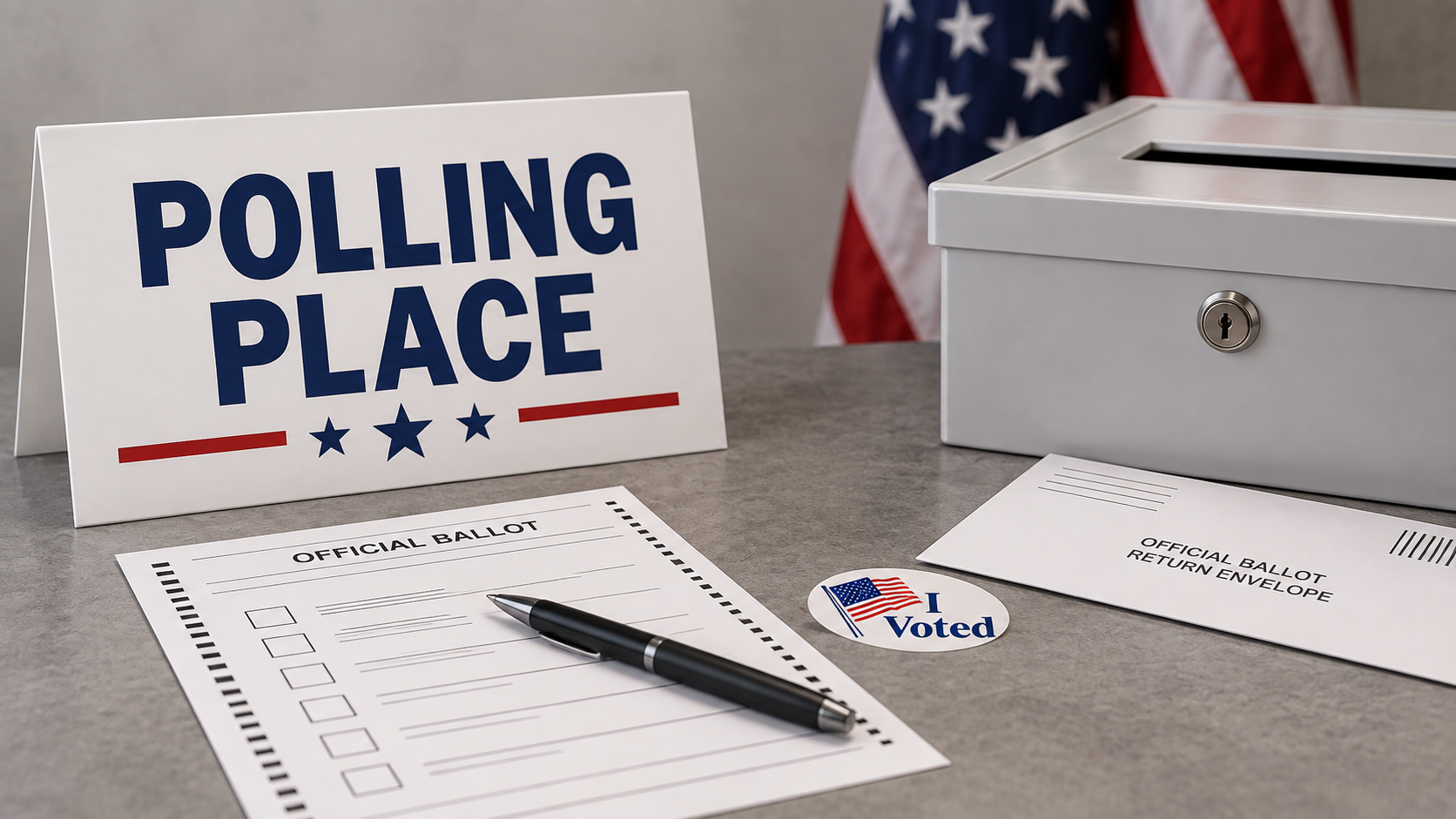
Alone we can do so little; together we can do so much[i]
By Blue Views Staff
I’m nobody – ordinary, just one voter. You’re just another voter, too. But when a few thousand of us ordinary, nobody voters get together, suddenly we’re not nobodies anymore. We’re a force to be reckoned with. We care about the same things – the same roads, the same schools, taxes, wages, neighborhoods, and communities.
When we vote, we roar.
All Politics are Local
National politics gets most of the attention. It dominates television, social media, and dinner-table arguments. But many of the decisions that affect our lives every single day are made much closer to home, not in Washington, DC.
Think about your morning commute; the condition of the roads you drive on. Whether there’s convenient regional rail service nearby; the property-tax bill sitting on the kitchen counter; the cost of childcare; whether a local business can find workers; whether the farm down the road could become a development; the health of the Brandywine; your electric bill.
These aren’t abstract political questions. They’re everyday Chester County questions.
What to Expect
Between now and November, we’ll be writing about Chester County and Pennsylvania. That’s what this series is about. What it is not about is false equivalence. We are not going to bend over backward to make Democrats and Republicans sound equally reasonable when the facts don’t support that conclusion. We aren’t going to pretend that two positions are equally grounded in evidence when they aren’t. And we aren’t going to soften what elected officials, political parties or candidates are really doing (as opposed to what they say they are doing) simply because describing it accurately might make somebody uncomfortable.
Our obligation is to you and to the facts.
That means we’ll ask some basic questions: What’s happening? Why does it matter here? Who has the power to make the decision? What have they done with that power? What do they promise to do next? Who benefits? Who pays? What evidence supports the arguments they’re making? And, when the evidence allows us to answer it, who is telling the truth?
We’ll provide sources so you don’t have to take our word for it. Read them. Challenge our conclusions. Check the numbers. Look at the legislation. Examine the votes. Listen to what candidates say — and compare it with what they’ve done.
We aren’t asking anyone to surrender their judgment to us.
We’re asking voters to use it. Because voting isn’t a team sport, and a political party isn’t entitled to anyone’s loyalty. Candidates and elected officials should have to earn our votes.
Some will.
Some won’t.
And if the evidence shows that one party, one candidate or one elected official is acting against the interests of this community, undermining institutions, lying to voters, or advancing policies that cause harm, we are going to say so.
That’s not partisanship for its own sake. It’s judgment. And judgment is exactly what elections require of us.
November’s Election is Important
It’s easy to think “It’s just a midterm – who cares?” But midterm simply means there’s no presidential race at the top of the ballot. It doesn’t mean the offices being decided are less important. Township supervisors, county officials, state legislators, school boards, and statewide officials make decisions that can reach our homes, schools, businesses, and neighborhoods very quickly.
One voter can feel minuscule in the middle of all that. And maybe one voter is. But put a few thousand ordinary voters together, paying attention to the places where we live and the things that affect our families and neighbors, and we’re not so small anymore.
We have a voice.
We have judgment.
We have a vote.
And when enough of us use it, we roar.
[i] Helen Keller

 Connect with us on Signal